
DIY Plumbing Tips: Quick Fixes for Common Household Issues


Understanding the Basics of DIY Plumbing
Plumbing issues are an inevitable part of homeownership. While some situations require professional intervention, many common problems can be resolved with a bit of DIY know-how. Understanding basic plumbing tips can save you time and money. Let’s explore some quick fixes for typical household plumbing issues.

Fixing a Leaky Faucet
A leaky faucet can waste a significant amount of water and increase your utility bills. Fortunately, it’s often easy to fix. Start by turning off the water supply to the faucet. Remove the handle, then replace the worn-out washer or O-ring. Reassemble the faucet, and your leak should be gone.
If the problem persists, it might require replacing the valve seat. This component can wear out over time, causing leaks. A valve seat wrench can make this task easier, ensuring a snug fit.
Unclogging Drains
Clogged drains are another common issue. A simple way to clear minor clogs is by using a plunger. Ensure there’s enough water in the sink or tub to cover the plunger’s cup and give it several firm plunges. This should dislodge most blockages.
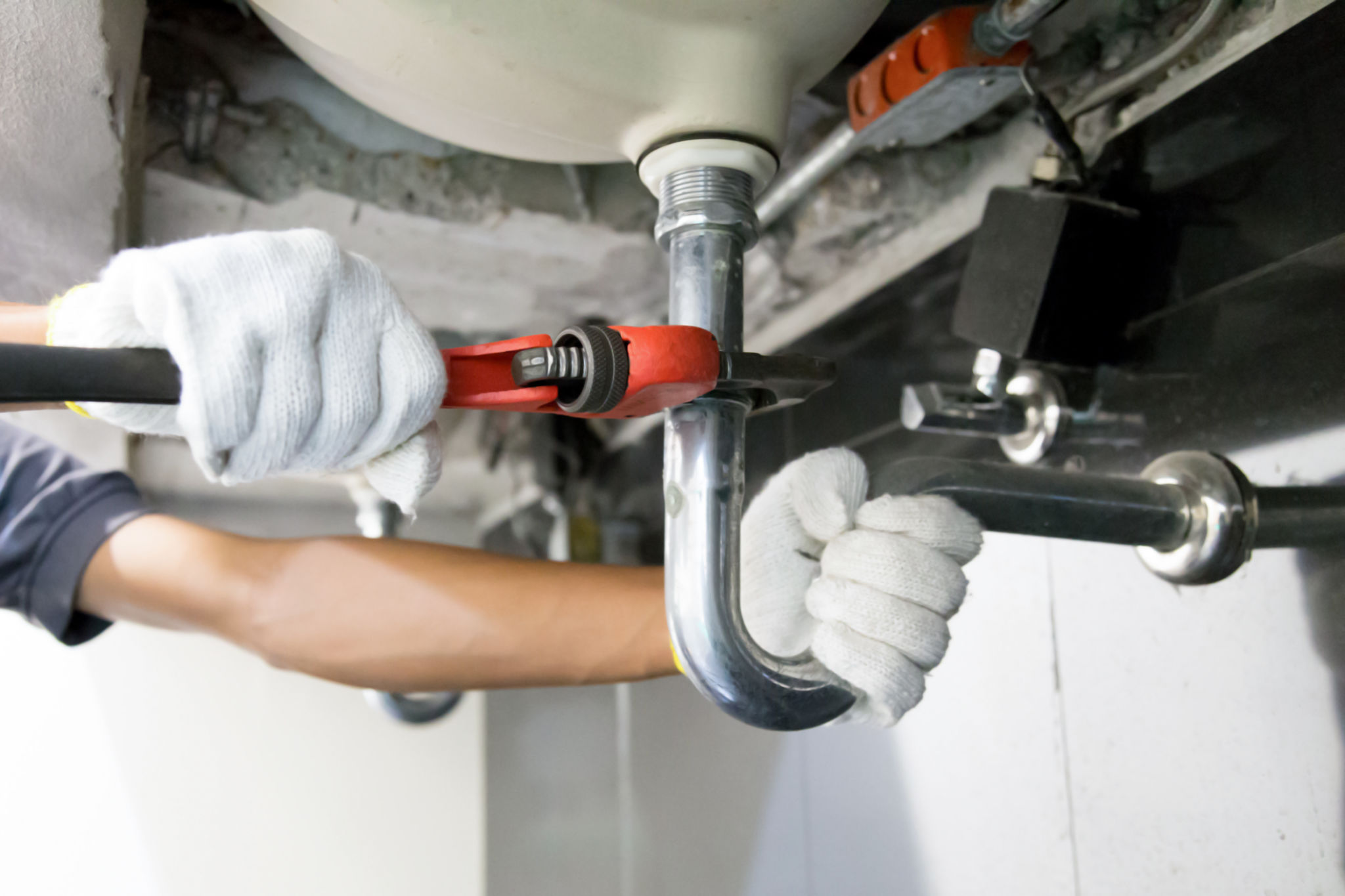
For tougher clogs, a drain snake can be effective. Insert the snake into the drain, twisting it to catch and remove debris. Regularly cleaning your drains with a mixture of baking soda and vinegar can also prevent future clogs.
Running Toilets
A running toilet can be both annoying and costly. The most common cause is a faulty flapper. To fix this, first shut off the water supply. Then, remove the toilet tank lid, and check the flapper. If it’s worn or damaged, replace it with a new one.
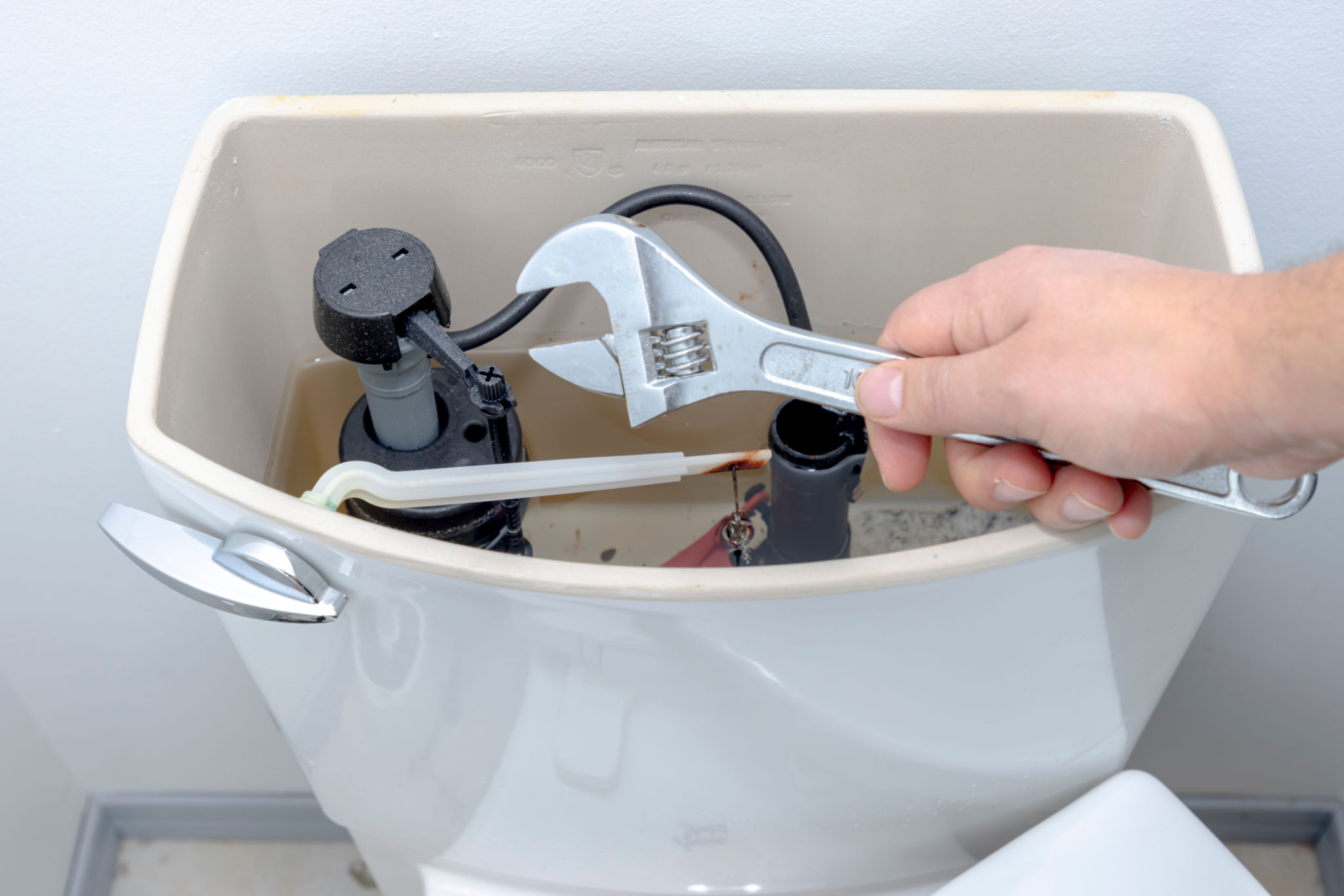
Sometimes, the float arm might need adjustment to stop the water from continuously running. Ensure the float is set at the right level to allow proper water flow and shutoff.
Dealing with Low Water Pressure
Low water pressure can disrupt daily activities like showering or washing dishes. This issue often stems from a clogged aerator. Unscrew the aerator from the faucet, clean out any debris, and reattach it. If the problem persists, check for leaks in your plumbing system.
In some cases, low water pressure might be due to older pipes that need replacement. Consulting with a professional can help determine if this is necessary.
Preventive Maintenance Tips
Regular maintenance can prevent many plumbing issues. Check for leaks under sinks and around appliances regularly. Tighten any loose connections to avoid unexpected water damage.

Additionally, consider installing strainers in your sinks and tubs to catch hair and debris. This simple step can significantly reduce the likelihood of clogs.
By taking a proactive approach and understanding these DIY plumbing tips, you can handle many household issues promptly and efficiently. Remember, when in doubt, it's always wise to consult a professional plumber to avoid causing further damage.